Best time to visit Morocco from the UK: season by season
UK Morocco editorial team · · 4 min read · Updated 24 October 2026
Spring and autumn suit most itineraries, but the right month depends on where you are going. A season-by-season guide, including Ramadan and school holidays.
There is no single best month for Morocco, because the country has several climates: hot interior plains, snow-capped mountains, a breezy Atlantic coast and the desert. What matters is matching the season to your route. Here is how each season tends to feel, with the trade-offs.
Spring (March to May)
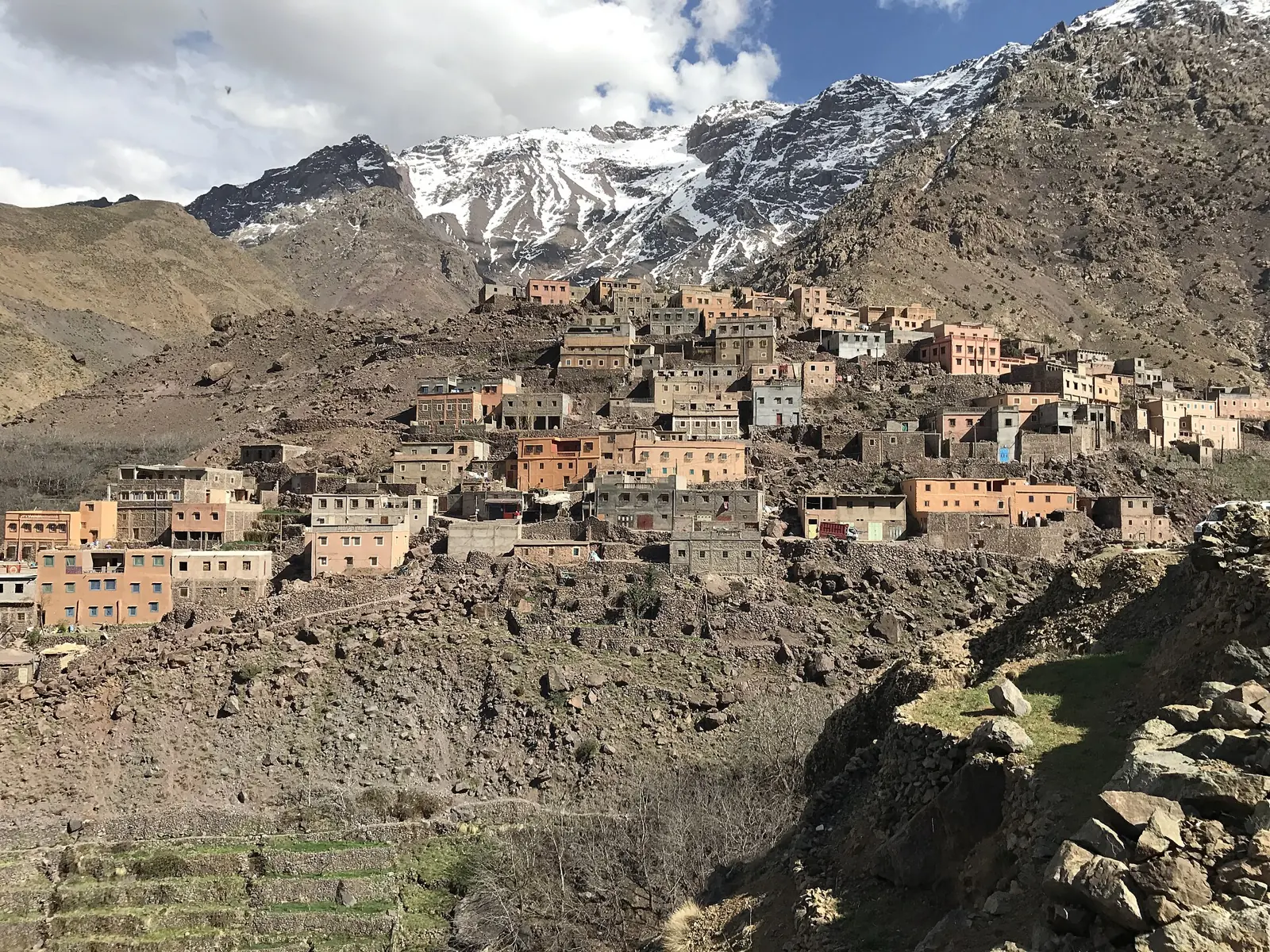
For a trip that mixes cities, mountains and the desert, spring is usually the easiest season. Days are warm rather than fierce, gardens are green after the winter rain and the High Atlas can still show snow on its peaks. Book early for Easter, when many UK families travel and popular riads fill up. By May, inland cities such as Marrakech are getting noticeably hot in the afternoons.
Summer (June to August)
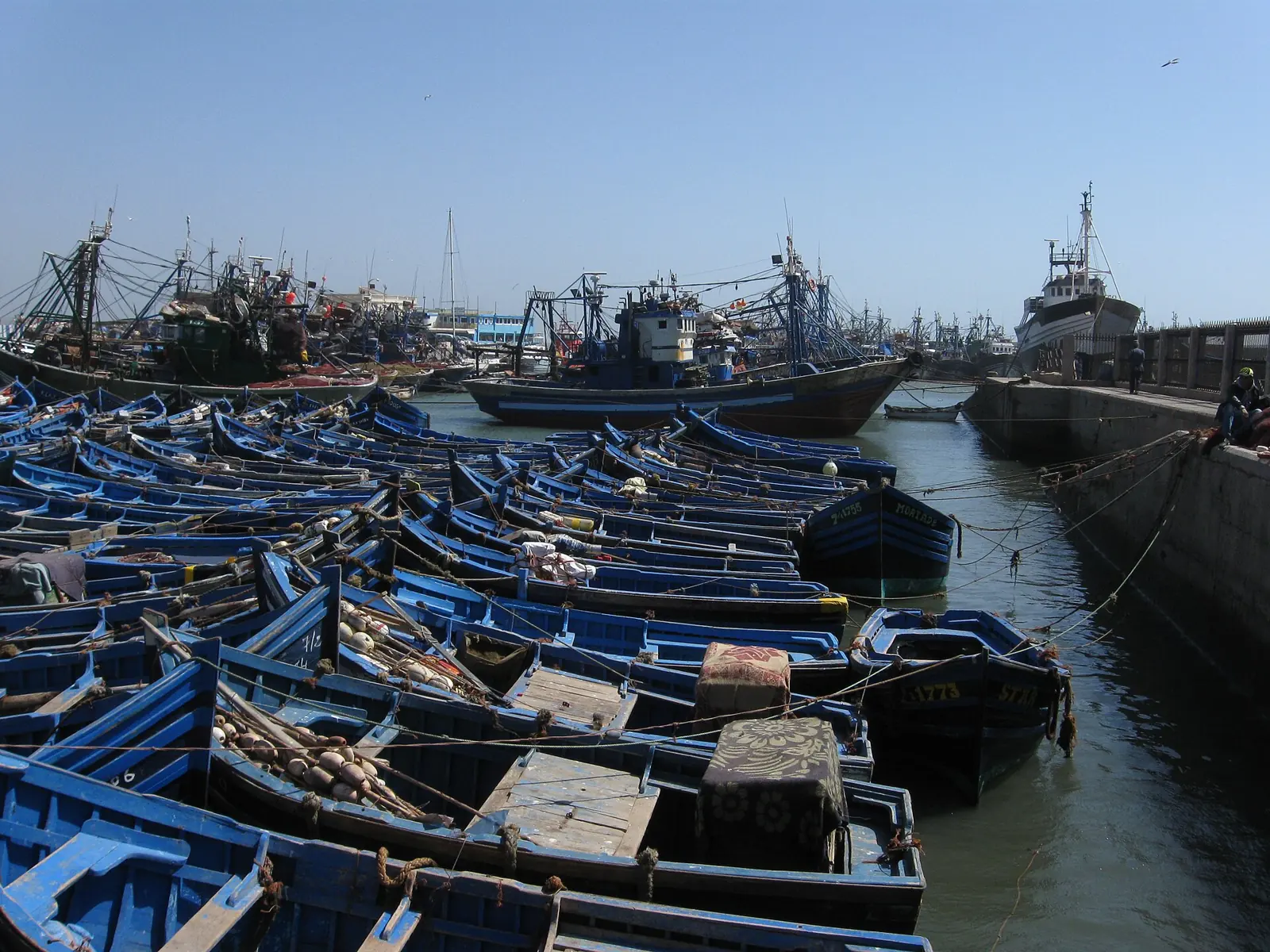
Inland Morocco is very hot in high summer: Marrakech, Fez and especially the Sahara regularly go well above 35°C, so sightseeing works best early morning and after sunset. If you visit in summer, shift your plans to the Atlantic coast — Essaouira is cooled by a steady trade wind (bring a windproof layer) and Agadir has long beach days — or to the higher Atlas villages. Desert trips are best avoided in the peak heat. Summer is also the season for wildfires in some regions, which the FCDO mentions in its safety guidance.
Autumn (September to November)
Autumn is the other sweet spot. The extreme heat fades from late September, sea temperatures on the coast are still pleasant and the light is lovely for photography. October and early November are popular for combining Marrakech, the Atlas and the Sahara. Rain becomes more likely in the north and in the mountains as November goes on.
Winter (December to February)
Winter suits city breaks and "winter sun" — Marrakech and Agadir often have bright, mild days — but nights are cold, particularly in the Atlas and the desert, and many riads and desert camps are only lightly heated, so pack layers. The north (Tangier, Chefchaouen) is wetter, and the FCDO notes flash-flood risks in mountain areas and near rivers during winter. Ski-style scenery around Oukaïmeden and the High Atlas is possible after snowfall, though it is not a big-resort destination. Prices are often lower outside Christmas and New Year.
Ramadan, Eid and school holidays
- Ramadan follows the lunar calendar and moves about eleven days earlier each year; in 2027 it is expected in roughly February to March. Travel is still possible and evenings are lively, but many restaurants close in daytime, opening hours change and you should avoid eating, drinking or smoking in public while people are fasting. Check the current dates on an official calendar before booking.
- Eid holidays (at the end of Ramadan and later in the year) see many Moroccan families travelling, so trains, buses and hotels can be busy.
- UK school holidays — Easter, May half-term, summer and October half-term — push up flight and accommodation prices. If you are not tied to school dates, the weeks either side of a holiday are often better value.
Matching the season to your route
- Marrakech and the Atlas: March to May and September to November.
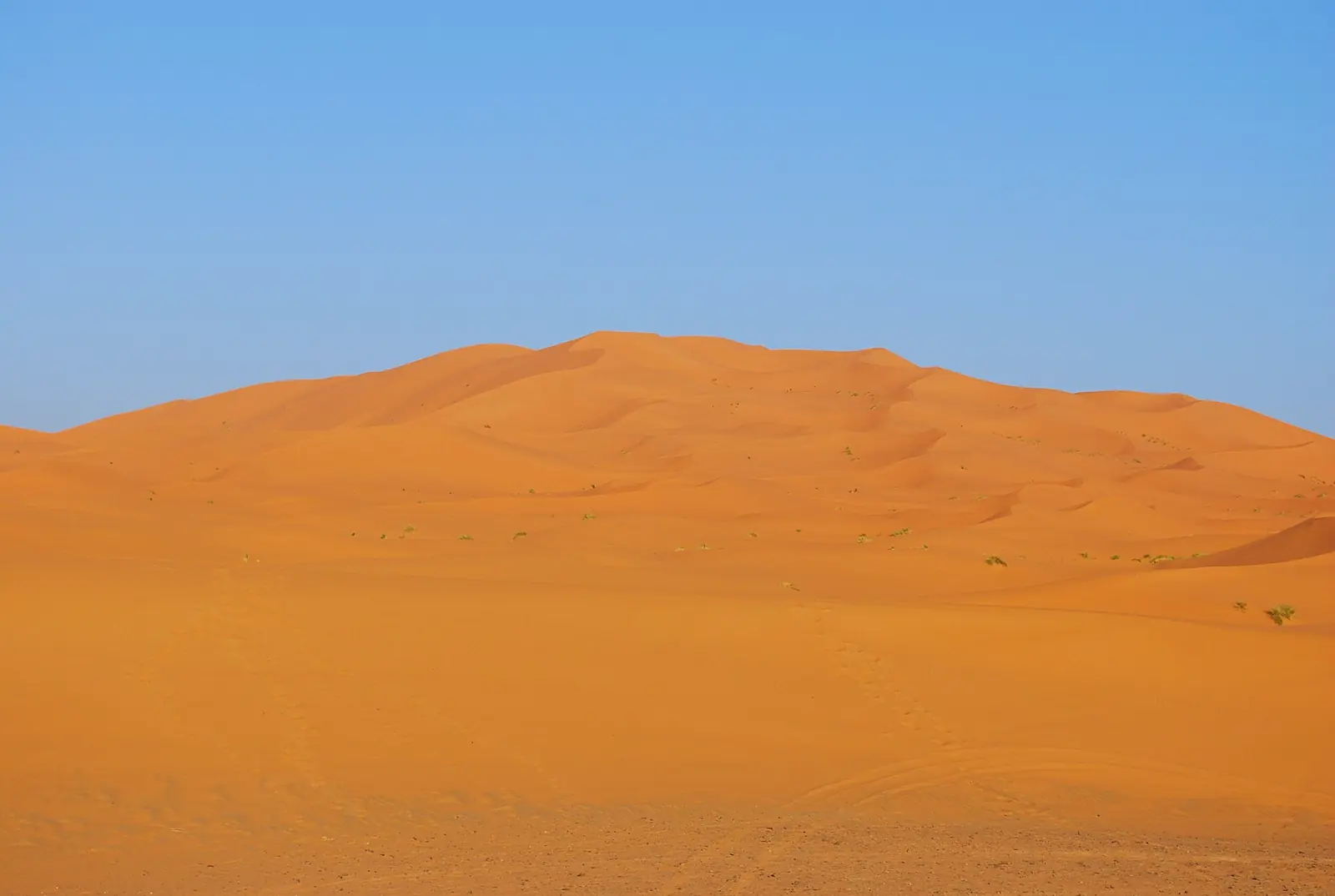
- Sahara dunes: October to April for comfortable days; nights can be cold from November to February.
- Fez, Meknes and the north: spring and autumn; summer is hot, winter can be wet.
- Essaouira and Agadir: most of the year, with summer at its best on the coast and mild winters in the south.
- Trekking in the High Atlas: late spring to early autumn for most walkers; winter conditions need proper equipment and a guide.
Our destination guides give the essentials for each place: Marrakech, Fez, the Sahara, Essaouira and the Atlas Mountains.
Plan around your dates
Tell the trip planner when you can travel and it will suggest a route and pace that fits your dates and budget. For the practical checklist, start with the Morocco travel guide for UK visitors.
Sources
- FCDO: Morocco safety and security (floods, wildfires, Ramadan etiquette)
Weather varies from year to year. Check a forecast close to your departure date.