Morocco travel guide for UK visitors: everything to know before you go
UK Morocco editorial team · · 4 min read · Updated 24 October 2026
Entry rules, money, health, safety, weather and etiquette — a plain-English checklist for British travellers planning their first trip to Morocco.
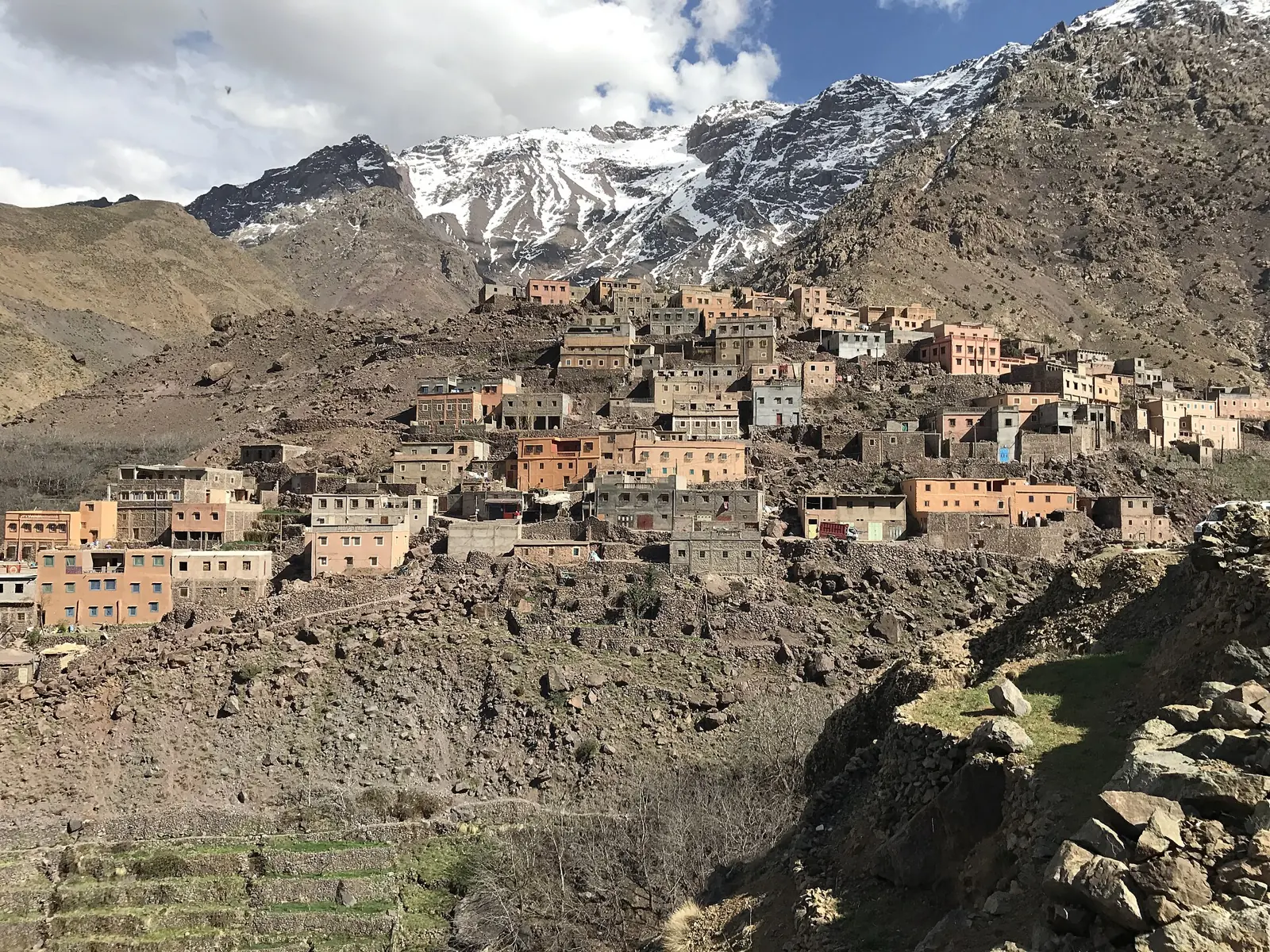
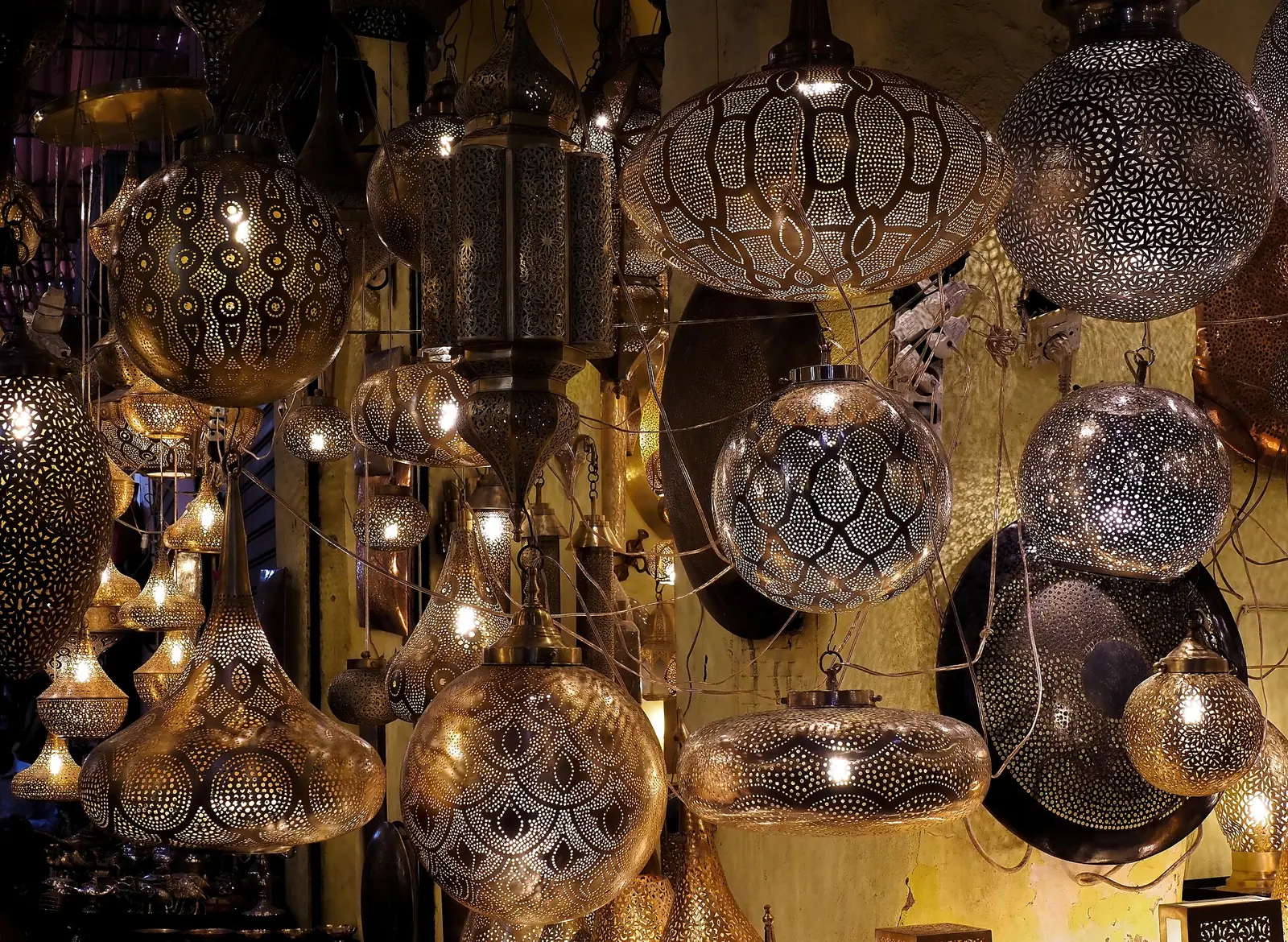
Morocco is close to the UK — a flight from London to Marrakech takes roughly three and a half hours — and feels a world away: walled medinas, mountain villages, Atlantic surf towns and the edge of the Sahara. This guide gathers what British visitors most often need to sort out before they fly, with links to the official sources so you can check the details that change.
Do UK citizens need a visa?
According to the UK government's travel advice, British passport holders can currently visit Morocco for tourism without a visa for up to 90 days. Your passport must be valid for at least three months after the date you arrive, and it should be in good condition — the FCDO notes that some travellers with damaged passports have been refused entry. Rules can change, so read the official entry requirements shortly before you travel.
Money in one minute
- The Moroccan dirham (MAD) cannot easily be exchanged outside Morocco, so most travellers get dirhams on arrival from cash machines or exchange desks. Our guide to money, payments and connectivity covers this in detail.
- Cards work in many hotels, restaurants and larger shops; cash is still needed in souks, taxis and small cafés.
- The FCDO asks visitors to declare foreign currency worth 100,000 dirhams or more (about £8,000 at the time of writing) when entering or leaving.
When to go
Spring and autumn are the most comfortable seasons for combining cities, mountains and the desert. Summer is very hot inland, and winter nights can be cold in the Atlas and the desert. Read the best time to visit Morocco from the UK for a month-by-month view, including Ramadan.
How long do you need?
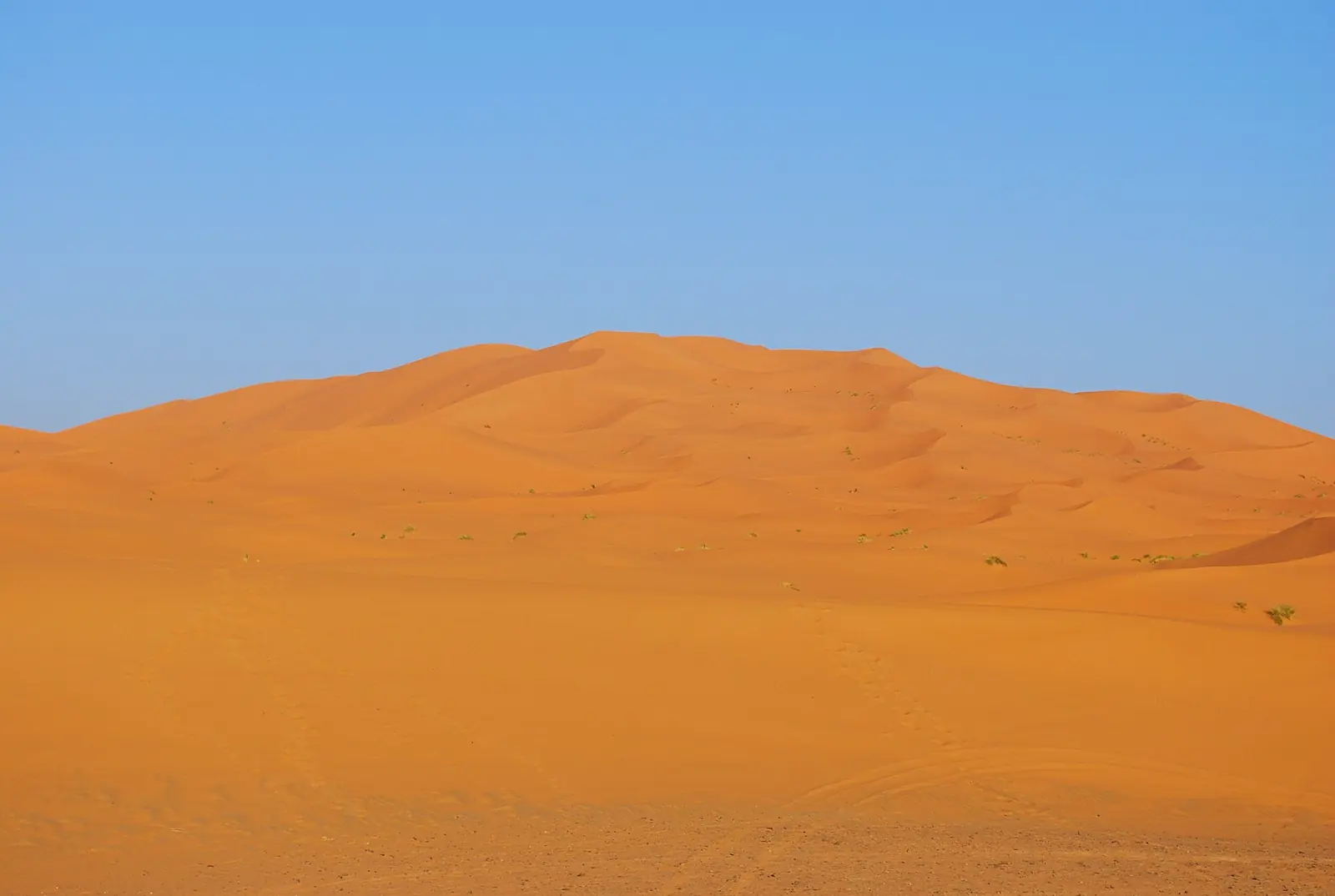
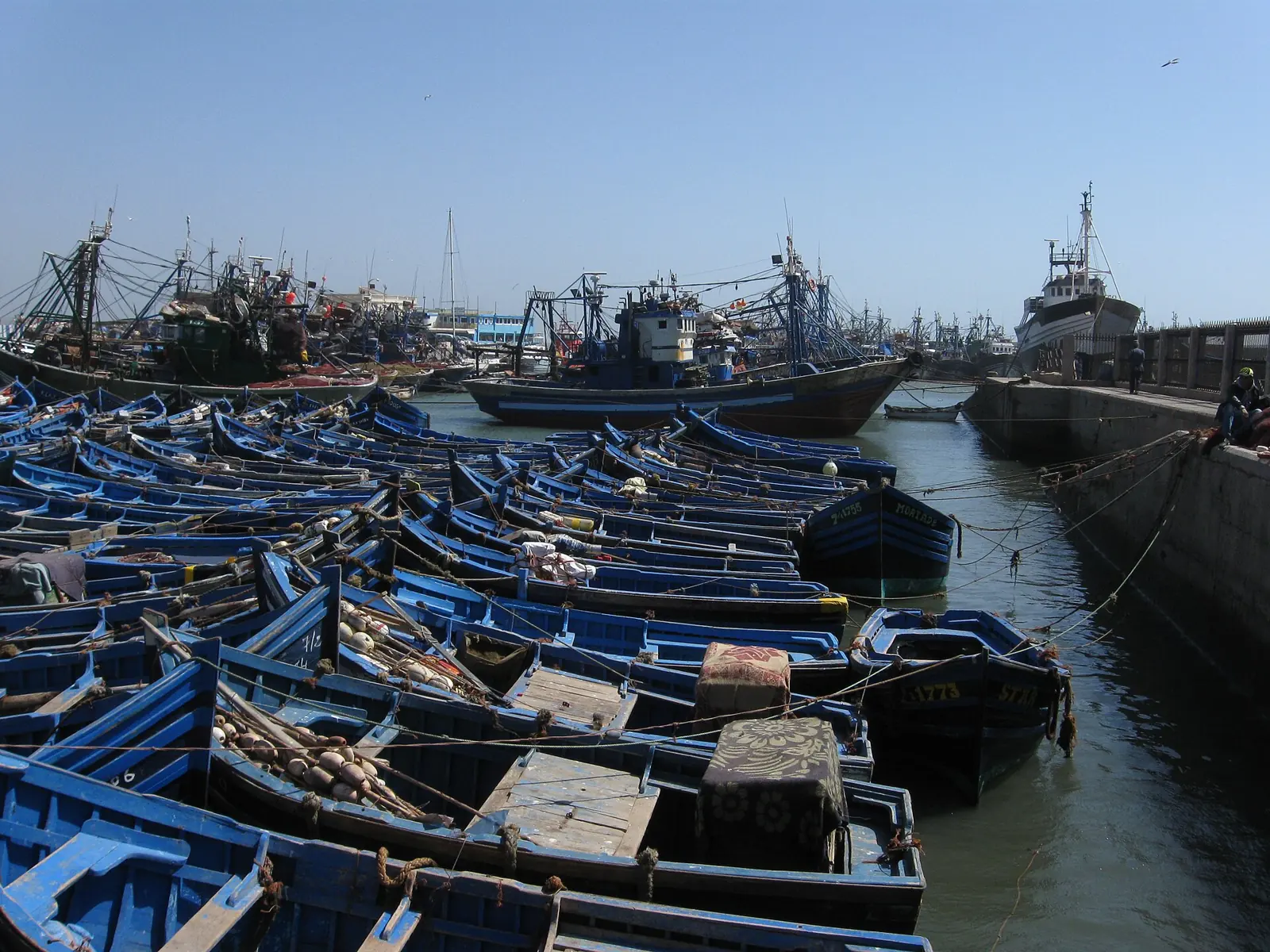
A week is enough for two bases — for example Marrakech and the coast at Essaouira — without spending every day in transit. Ten days lets you add Fez and the Sahara. Distances are bigger than they look on a map: Marrakech to the Sahara dunes is a very long day by road. See our 7-day itinerary and 10-day itinerary, or let the trip planner build a route around your dates.
Health and insurance
- Book a pre-travel health consultation four to six weeks ahead. The NHS-backed TravelHealthPro page for Morocco lists recommended vaccinations and current outbreak information, and advises caution around stray animals because of rabies.
- The UK GHIC does not apply in Morocco. Take travel insurance that covers medical care, repatriation and any activities you plan — such as trekking in the Atlas.
- Drink bottled or treated water and choose busy, freshly cooked food stalls if you eat street food.
Staying safe
Most visits are trouble-free, but the FCDO advises about petty crime in busy medinas (pickpocketing and bag-snatching), card fraud, and unofficial guides who approach visitors — ask your accommodation to arrange a licensed guide for the old cities. It also notes that road accidents are frequent and that terrorist attacks are possible in Morocco, as elsewhere. Read the safety and security page before you go and register for its email alerts.
Respectful travel
- Dress is relaxed in resorts and modern districts. In medinas, villages and around religious sites, covering shoulders and knees is appreciated; the FCDO suggests loose clothing that covers arms, legs and chest for women travelling alone.
- Always ask before photographing people, and avoid photographing military or government sites.
- Alcohol is served only in licensed venues. Drugs carry severe penalties.
- Same-sex relations are illegal in Morocco and public displays of affection can lead to prosecution (FCDO).
- During Ramadan, avoid eating, drinking and smoking in public in daylight hours; many restaurants close during the day.
Practical details
- Time: Morocco is on GMT+1 for most of the year and moves back to GMT during Ramadan, so it is either the same time as the UK or one hour ahead.
- Plugs: European two-pin sockets at 220 V — bring a UK-to-EU adaptor.
- Language: Arabic and Tamazight are official languages; French is widely spoken in business and tourism, and English is common in tourist areas.
Turn this into a plan
Once the basics are covered, choose where to go. Start with our destination guides, then use the trip planner for a day-by-day route and a budget estimate in pounds. To understand what the numbers mean, read how to budget for Morocco.
Sources and further reading
- FCDO: Morocco travel advice (entry requirements, safety and security)
- TravelHealthPro: Morocco
This article is general guidance, not legal, medical or financial advice. Always check the official sources for the latest rules.