Morocco travel tips: local customs, getting around and everyday advice
UK Morocco editorial team · · 4 min read
How to be a good guest, use taxis and buses with confidence, deal with guides and haggling, and avoid the common stumbling blocks for first-time visitors.
Moroccans are known for hospitality, and most visitors have warm, easy encounters. A little knowledge of local customs and how getting around works makes those encounters smoother — and helps you avoid the few pitfalls that catch out first-timers. This article complements our Morocco travel guide for UK visitors, which covers entry rules, health and money.
Everyday etiquette
- Greetings matter. A polite hello — salam or a French bonjour — before asking a question or starting a purchase goes a long way. A handshake is common; let the other person lead if they are of a different gender.
- Accepting hospitality. If you are offered mint tea, accepting is polite. You can decline gently and with thanks (la, shukran) if you do not want it.
- Use your right hand for eating and passing things, as is customary.
- Dress. Relaxed in resorts and modern districts; in medinas, villages and around religious sites, covering shoulders and knees is appreciated. The FCDO suggests loose clothing that covers arms, legs and chest for women travelling alone.
- Photography. Always ask before photographing people, particularly children and women. Avoid photographing military and government sites, which can be illegal.
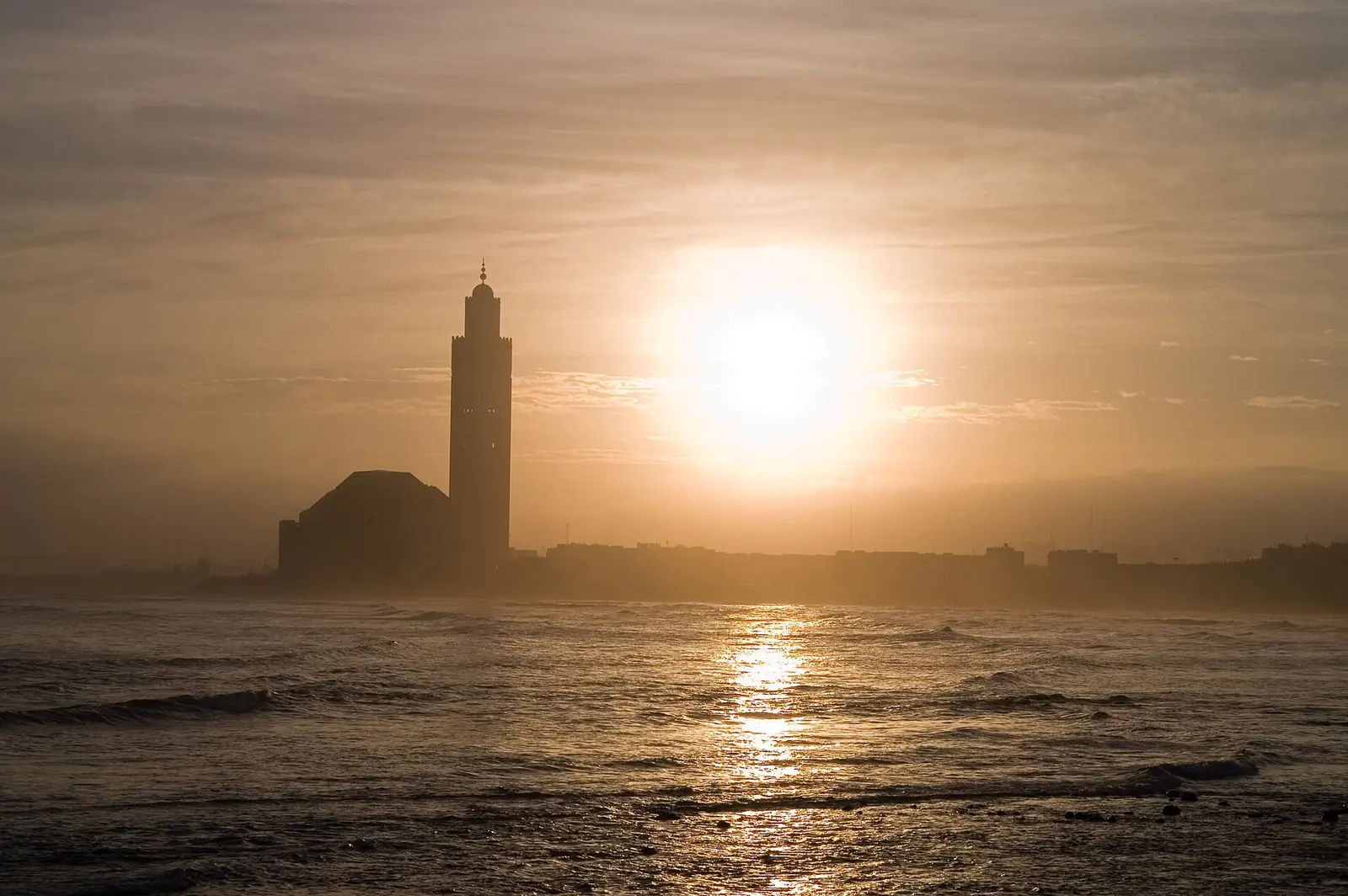
- Mosques. Most mosques are not open to non-Muslims. Notable exceptions include guided visits to the Hassan II Mosque in Casablanca, which run at set times and pause for Friday prayers — check the schedule.
- Public behaviour. Keep public displays of affection modest. The FCDO notes that same-sex relations are illegal in Morocco and that public affection can lead to prosecution.
- Alcohol and drugs. Alcohol is served only in licensed venues and street drinking can lead to arrest. Drugs are treated severely, with lengthy prison sentences for possession.
Ramadan and Fridays
During Ramadan, avoid eating, drinking or smoking in public during daylight hours; many restaurants close by day, and driving can be erratic just before sunset when people rush home to break the fast. On Fridays, some businesses close or reduce hours around midday prayers. Read when to visit for how Ramadan affects planning.
A few useful words
- Shukran — thank you
- La, shukran — no, thank you
- Afak — please
- Bslama — goodbye
French is widely spoken in tourism and business, and English is common in tourist areas.
Getting around
- Petits taxis operate within cities. Ask the driver to use the meter, or agree the fare before you get in.
- Grands taxis are larger taxis that run set routes between towns and are often shared; you can also hire one privately — agree the price first.
- Trains work very well on the main north–south line but do not reach Chefchaouen, Essaouira or the Sahara — see Morocco by train.
- Buses and coaches cover the places trains do not. Compare operators and confirm baggage rules.
- Private drivers save time on long or mountain routes and let you stop for views. The FCDO notes that road accidents are frequent in Morocco, that poor lighting makes night driving risky and that mountain roads can be hazardous in bad weather. For most visitors a private driver or public transport is easier than driving yourself.
Guides, touts and haggling
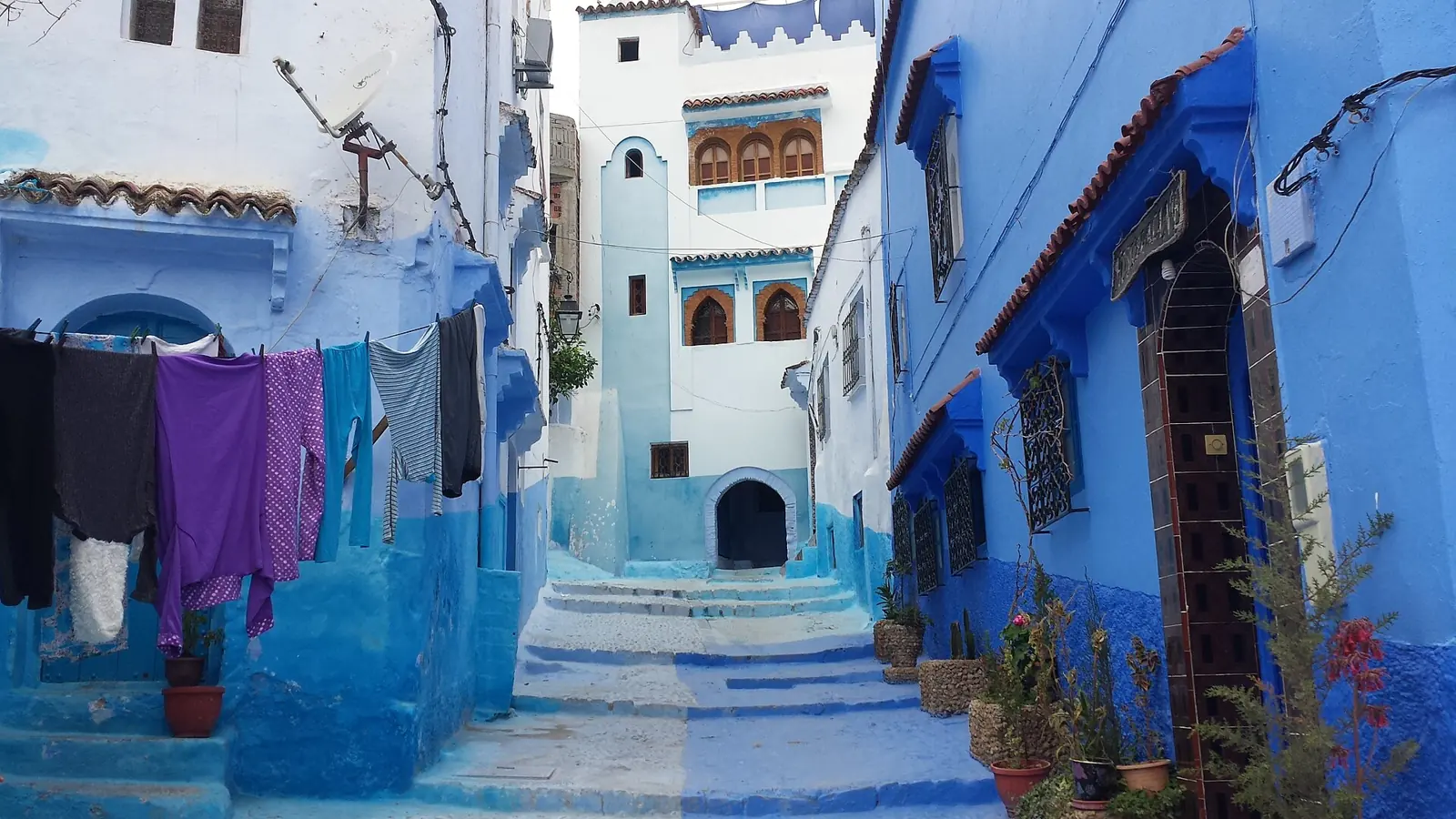
- The FCDO warns that unofficial guides approach visitors in tourist areas. Ask your accommodation to arrange a licensed guide for old medinas and check the guide's official badge.
- If someone says a road is closed or offers unrequested directions, politely decline and keep walking; use a map app or ask staff at your riad.
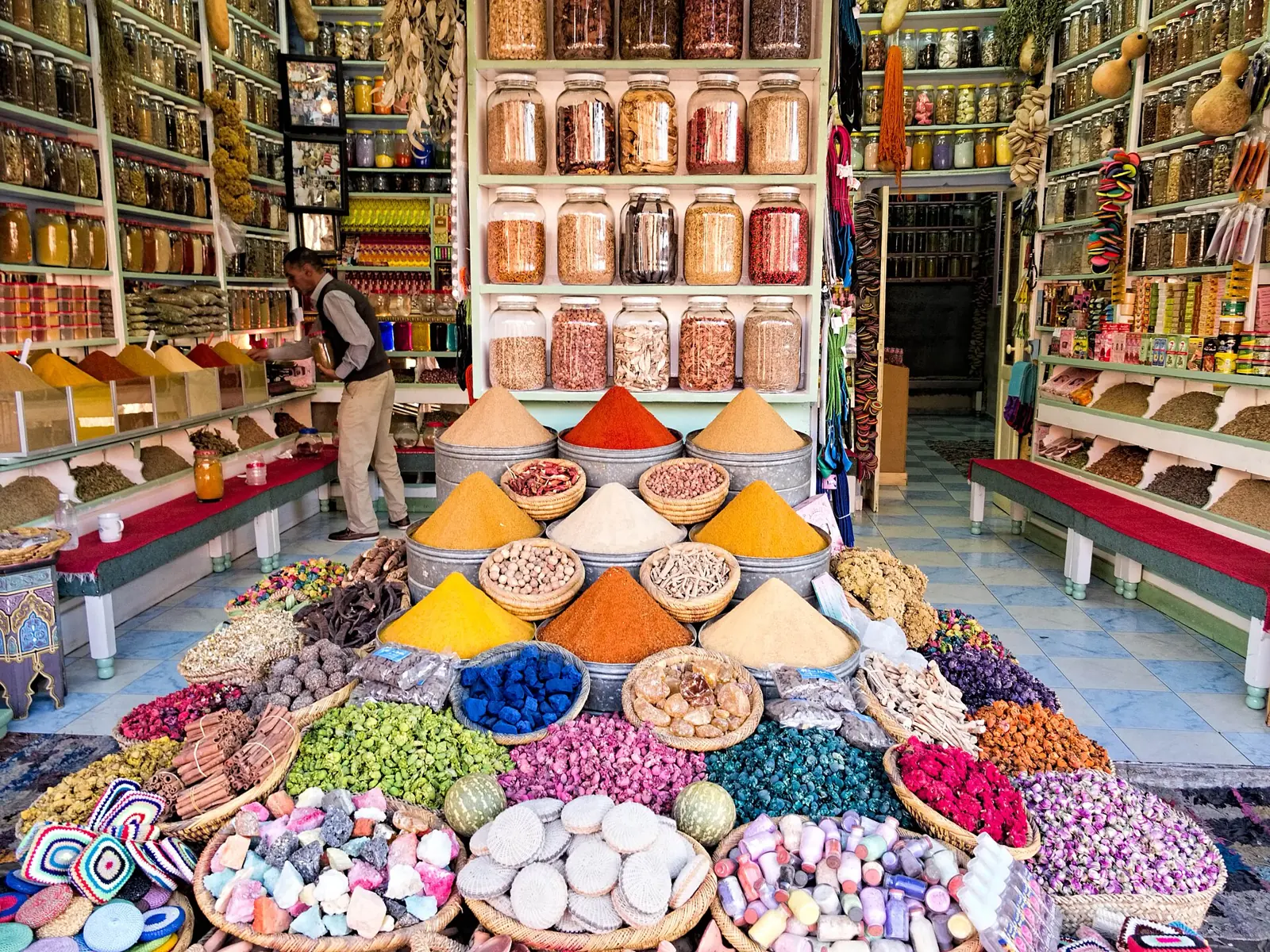
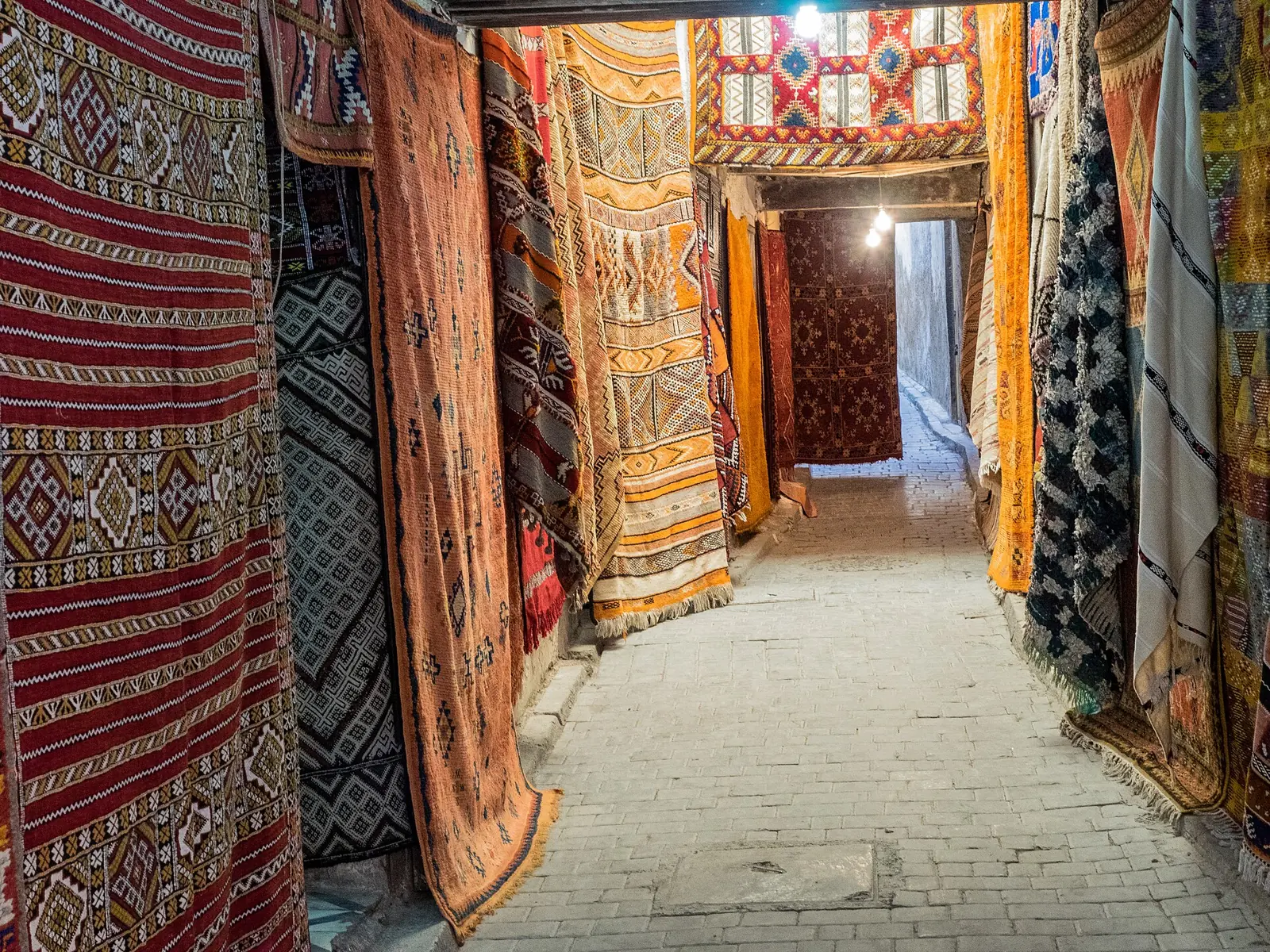
- In souks, haggling is expected. Decide what an item is worth to you, start lower, stay friendly and be ready to leave. Shops with fixed prices exist too, and government-run craft centres can be a way to gauge prices. Do not feel obliged to buy after a shop owner has spent time with you.
- Agree prices — for guides, taxis, camel rides and excursions — before you start.
Food, water and health
Drink bottled or treated water, and choose busy stalls where food is cooked fresh. Seek health advice four to six weeks before travelling and avoid contact with stray animals; see TravelHealthPro. Carry sun protection in summer and warm layers for winter nights in the Atlas and the desert.
Safety in short
Keep valuables out of sight, be careful with phones and bags in crowded medinas, and take care in card payments. For hiking in the Atlas and desert, use a professional guide, carry water and have insurance that covers the activity. Read the FCDO's safety and security advice before you go, and see money, payments and connectivity.
Plan with confidence
When you are ready, use the trip planner for a route that respects realistic travel times, or browse the destination guides.
Sources
Customs vary between people and places. These are general suggestions, not rules.